

19/11/24
Secai Marche raises $1.6M to expand across Southeast Asia
Japan-based Secai Marche, an agritech/foodtech startup connecting farmers with restaurants and grocery retailers in Southeast Asia has raised an additional JPY 250 million (USD 1.6 million) in its Series A round. The raise follows a previous USD 3.5 million raise in August this year. Through its B2B digital platform, Secai Marche provides market access, logistics, sorting and packing services to farmers. On the demand side, the startup has a network of +1,400 hotels, restaurants and retailers. Founded in 2018, the startup works in Malaysia, where it operates its hub for Southeast Asia. It is planning to expand across the region, focusing initially on Thailand. Secai Marche uses artificial intelligence to enhance demand forecast accuracy using and optimise last-mile deliveries.
24/11/24
Ethiopia unveils startup proclamation, launches Timbuktoo initiative
At an event in Addis Ababa, the government of Ethiopia has released the draft of a startup proclamation, a policy that aims to remove bureaucratic barriers for local startups and support a thriving tech ecosystem. The new legislation has been in the making for some time. The Ministry of Innovation and Technology (MinT) has solicited additional inputs as part of a consultation process to the draft bill.
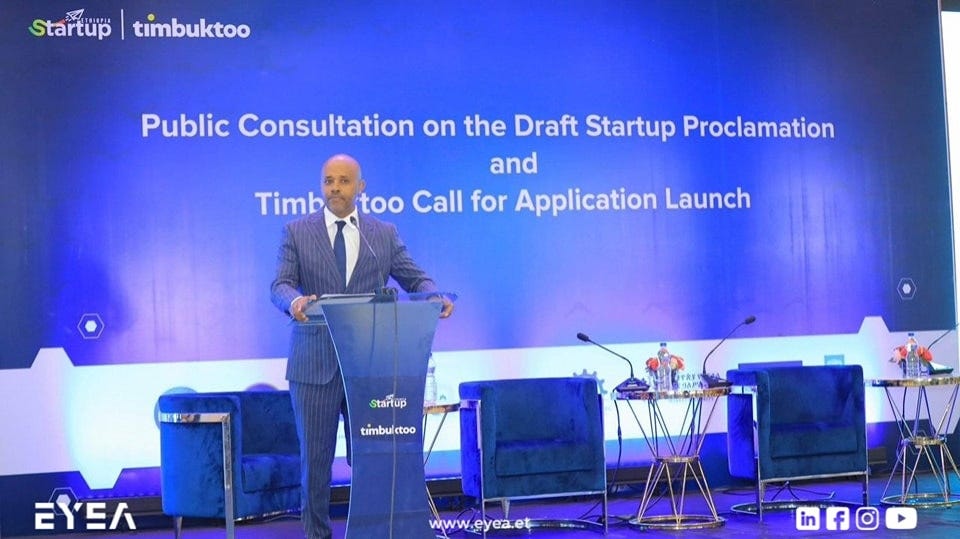
Photo credit: Ethiopian Youth Entrepreneurs Association
At the same event, Innovation and Technology Minister Belete Molla also talked about the country’s participation in the Timbuktoo initiative. Timbuktoo is a UNDP-backed programme to mobilise and invest USD 1 billion of public and private funds to transform 100 million livelihoods and create 10 million dignified new jobs across Africa in 10 years. It was launched in early 2024. It focuses on sectors like fintech, agritech, and manufacturing technology. The initiative spans eight African countries, with Ethiopia joining as the ninth.
25/11/24
NOURISH to leverage agri/fintech to address food insecurity in Tanzania
Details have emerged about the new NOURISH project in Tanzania. The initiative aims to achieve resilient food security for smallholder farmer households in regions suffering from severe food insecurity (Singida, Dodoma, Manyara, Songwe, and Rukwa). The project will integrate agritech and fintech solutions to support climate-smart practices and improve access to inputs and finance. It targets 168,000 farmers in four high-potential value chains: sorghum, sunflower, common beans, and vegetables. It also targets 100 micro, small, and medium enterprises (MSMEs), and farmer organisations.
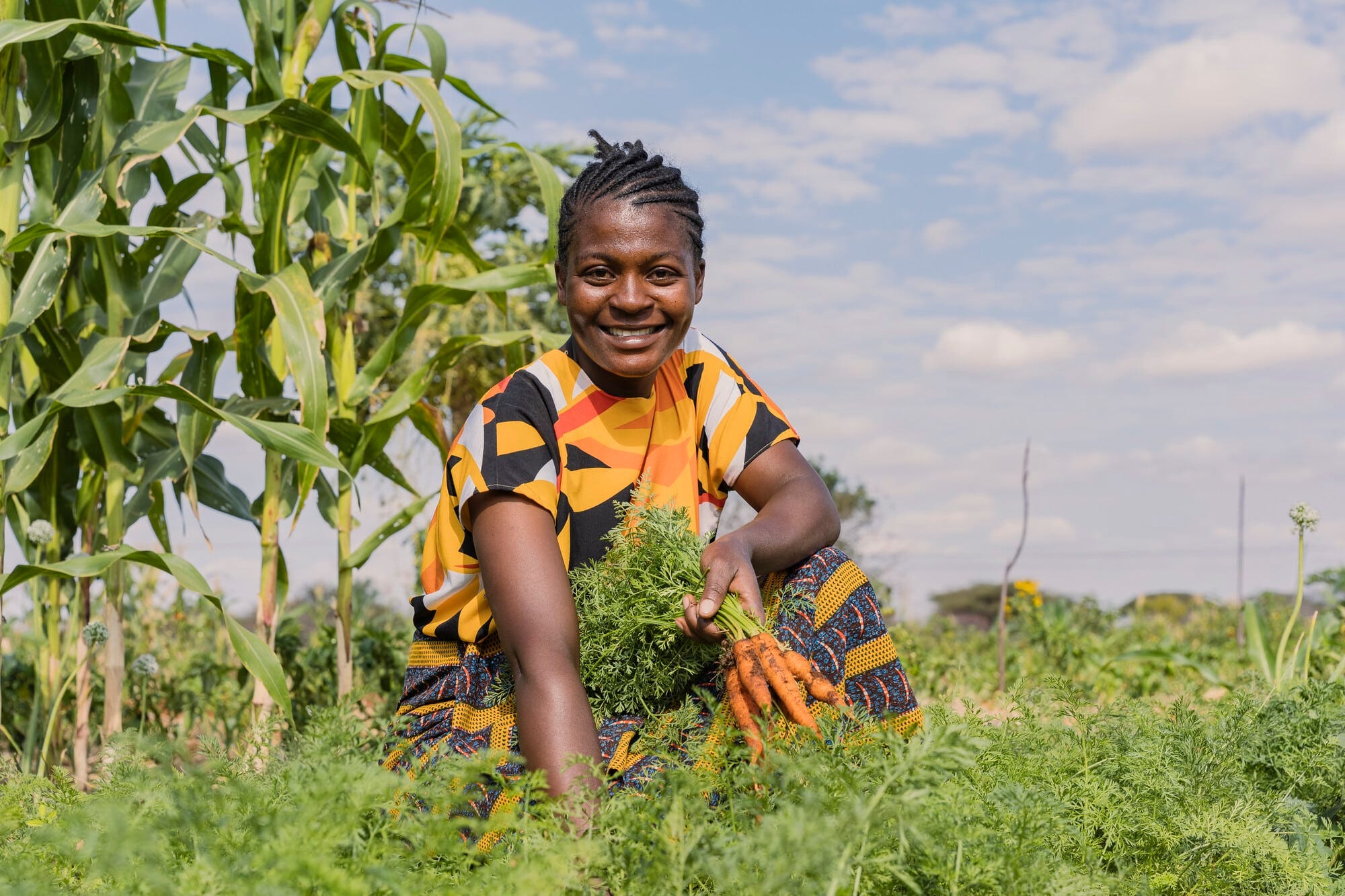
Photo credit: Farm Africa
NOURISH is funded by Norwegian Development Agency (Norad) and is led by The Netherlands Development Organisation (SNV) in partnership with NGO Farm Africa and five local organisations including two local community-based associations, RECODA and MIICO, which have been training lead farmers, agricultural extension officers, and coaches in good agronomic practices (GAP).
25/11/24
FAO launches Digital Villages Initiative in Rwanda
The Food and Agriculture Organization of the United Nations (FAO) has launched the Digital Villages initiative in Rwanda. The initiative is anchored to the Fostering Digital Villages (FDiVi) flagship programme. As reported by ArisTechia in October, FDiVi wants to facilitate the delivery of innovative agricultural extension services for increased productivity, enhanced market access, and advance inclusive rural transformation. It will also support local farmers, extension officers, agro-dealers, and processors, particularly youth and women.
Starting in Musanze district, the initiative focuses on implementing digital tools tailored to the needs of farmers, including real-time information access, weather updates, and market insights. Developed collaboratively with Rwanda’s Ministry of Agriculture and Animal Resources (MINAGRI), FDiVi aligns with Rwanda's agricultural priorities, particularly in empowering youth and women while promoting sustainable rural economic growth. Agriculture contributes 25% of Rwanda GDP and employs 64.5% of the population, according to the Rwanda Development Board.
24/11/24
Good reads: New RBI report - India’s agritech soonicorns/minicorns embrace emerging tech
A new report by the Reserve Bank of India (RBI), the country’s central bank and regulatory body, highlights the growth potential of agritechs to bridge the technology gap in agriculture. According to the study titled “Agri-Tech Startups and Innovations in Indian Agriculture”, India currently has 19 agritech soonicorns and 40 minicorns. A unicorn is a company valued at USD 1 billion or more.
The report leverages a survey with agritech startups. RBI states that these high growth potential startups are shifting toward emerging technologies such as IoT, big data analytics, and AI. One of the key findings of the report is that agritechs recognise government funding and support as a key driver for growth. India has a comprehensive Digital Public Infrastructure (DPI), including the Aadhaar biometric ID system and the United Payments Interface (UPI) for financial inclusion.
Funding in the Indian agritech sector grew from USD 370 million in 2019 to USD 1.25 billion in 2021, reflecting a strong appetite for digital agriculture innovations. However, 2023 brought a notable decline, aligning with a global slowdown in venture capital investments due to economic challenges like inflation and market uncertainties. Currently, there are no agritech startups in India officially recognised as unicorns. However, several agritechs such as agrifood e-commerce platforms DeHaat, Ninjacart, and AgroStar are strong contenders for unicorn status in the near future.