

09/10/26
Moroccan agritech Yola Fresh shuts down, raising questions about fresh-food e-commerce
Moroccan agritech Yola Fresh has ceased operations after failing to secure additional financing, despite raising USD 7 million in 2024 and showing strong commercial demand.
Founded in 2023, Yola Fresh developed a digital solution connecting fruit and vegetable producers with retailers, aiming to improve market access, reduce intermediaries and minimise food waste. In 2024, the company reported serving more than 1,000 retailers and distributing around 1,200 tonnes of produce monthly. At the time, the European Bank for Reconstruction and Development (EBRD) reported that Yola Fresh had helped cut food losses from 40% to just 6%.
Yola Fresh is not an isolated case. Kenya’s Twiga Foods, which attracted over USD 160 million in investment, entered administration in August 2026. India’s Otipy also ceased operations in 2025, despite reporting strong revenue growth and serving over one million customers at its peak.
Why it matters: The financial sustainability of digital fresh-food distribution remains an open question. Even asset-light models face substantial logistics costs, while operational improvements and growing revenues do not necessarily translate into profitability. As businesses grow, higher transaction volumes can also increase working-capital pressures. The challenge is not simply to connect more farmers and retailers, but to develop business models in which growth strengthens the underlying economics of agricultural distribution.
29/09/26
Farm to Feed secures €150,000 from Proparco to reduce food losses
French development finance institution Proparco has invested EUR 150,000 in Kenyan agritech Farm to Feed to expand its digital agricultural distribution platform, improve farmers’ access to markets and reduce food losses.
Founded in 2021, Farm to Feed operates a digital platform that forecasts and matches demand with supply, communicates requirements to farmers, and coordinates sourcing, logistics, warehousing and payments. By combining these services with rapid payments, the company aims to create a more predictable route to market for farmers. It also develops markets for surplus and imperfect produce, including through processing activities that extend shelf life.
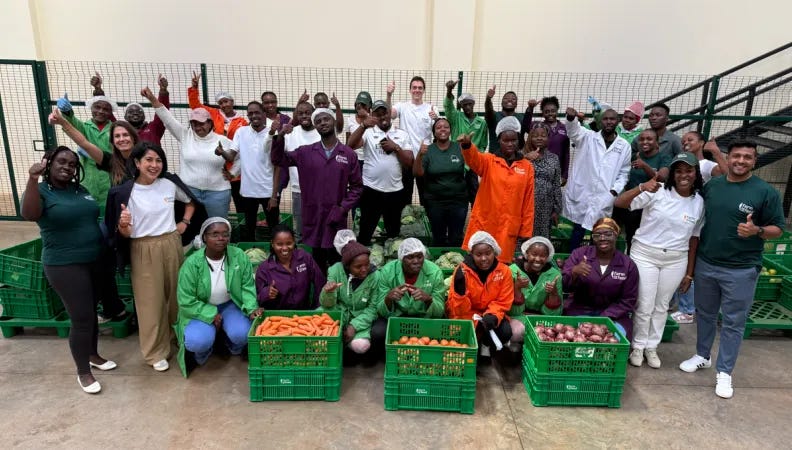
Photo credit: Proparco
Farm to Feed reports working with 5,500 registered farmers and more than 160 B2B customers (hotels, schools, hospitals, food processors and institutional feeding programmes), with annual growth exceeding 100% for three consecutive years. According to its 2025 impact report, farmers working with the company experienced a 249% increase in income and an 81% reduction in food losses.
Why it matters: Farm to Feed goes beyond matching farmers with buyers by creating commercial opportunities for produce that might otherwise go to waste. But as other fresh-food distribution stories in this edition show, the challenge is whether the additional value generated through these activities can outweigh the costs of collecting, processing and distributing the produce.
12/10/26
IFC backs Ghana’s Complete Farmer to expand its end-to-end digital agriculture platform
Ghanaian agritech Complete Farmer has secured a USD 2.4 million convertible loan from the International Finance Corporation (IFC) to expand input financing and agronomic services for smallholder farmers. IFC will also provide USD 480,000 in advisory support to strengthen the company’s digital solutions and partnerships with financial institutions.
Complete Farmer operates an end-to-end digital agriculture platform connecting farmers with inputs, financing, agronomic services and markets. Its CF Grower app supports farmers with production planning, access to inputs, farm monitoring and connections to buyers.
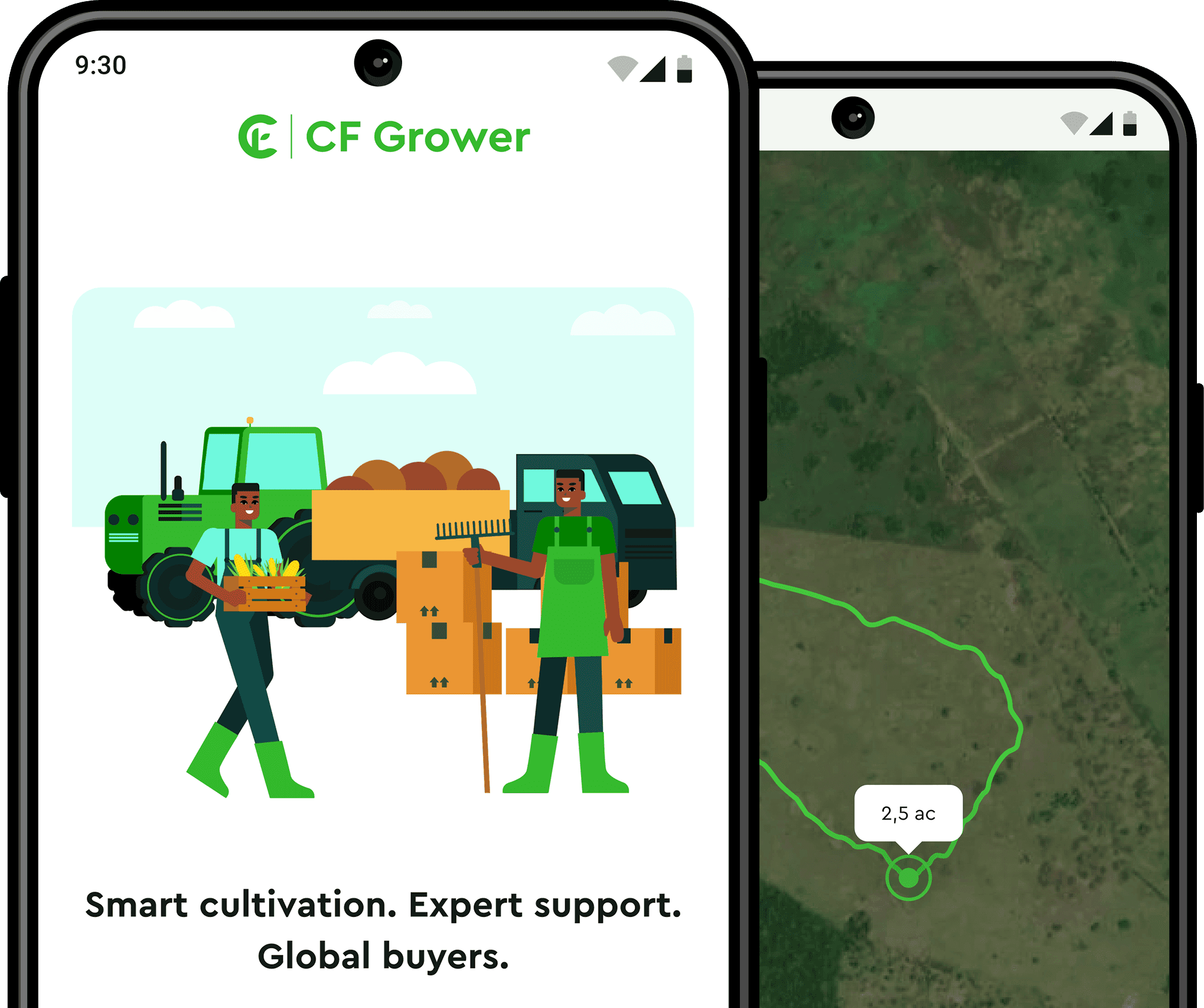
Image credit: Complete Farmer
The company also operates CF Buyer, which helps commercial buyers source agricultural produce, and CF Storefront, a marketplace for agri inputs and services. These digital solutions are supported by field agents and physical fulfilment centres.
Complete Farmer reports a network of more than 72,000 farmers in Ghana and aims to reach 240,000 by 2030.
Why it matters: Complete Farmer's approach addresses several constraints simultaneously, connecting farmers with inputs, financing, agronomic support and markets. This integration could strengthen commercial relationships across the value chain, while the IFC investment should help the company expand input financing and test whether the model can work at a larger scale.
01/10/26
Kenya’s Rhea raises USD 100,000 to expand soil intelligence technology into Tanzania
Kenyan agritech Rhea has secured USD 100,000 in convertible financing from Obudu Capital to commercialise its soil-testing technology and expand into Tanzania.
Founded in 2022, Rhea specialises in soil-health management. Its AgriPad portable testing device combines sensors, software and machine learning to generate field-level soil data and fertiliser recommendations. Rhea delivers soil-testing services through local agronomists and agrodealers, who use AgriPad to test farmers’ soils and earn commissions on each test. Farmers pay for the service, while agents lease the devices from Rhea. The company also provides soil fertility mapping, laboratory and pathogen analysis, and agronomic advisory services.
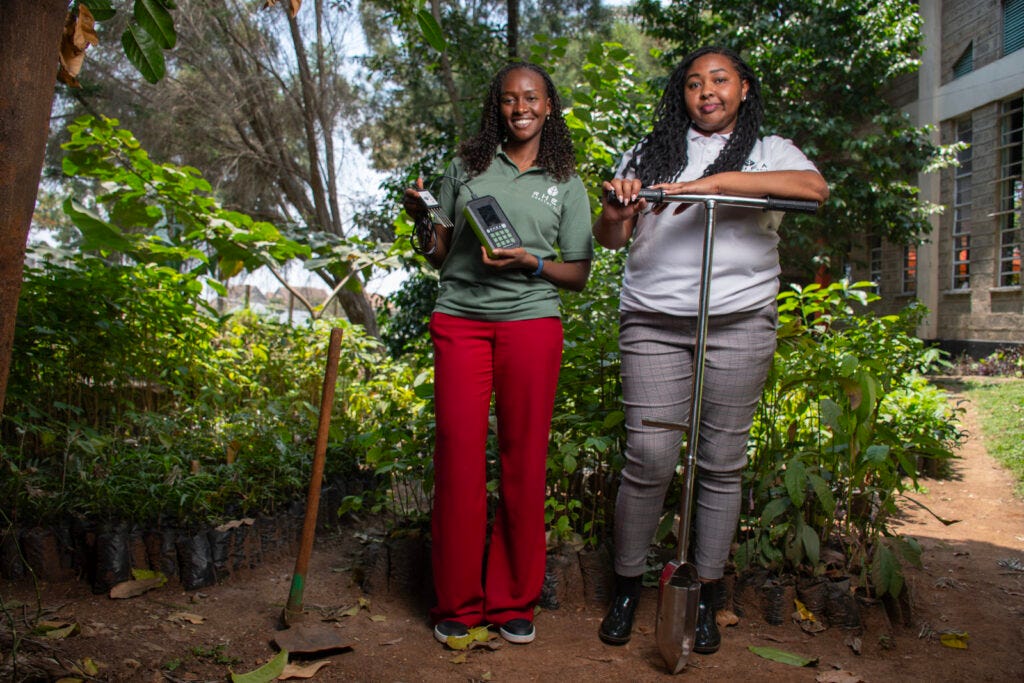
Photo credit: Sweat Africa, Rhea
Rhea reports having reached over 100,000 farmers through its activities. In the first half of 2026, the company recruited and trained 135 agronomist agents across three Kenyan counties and introduced a mobile app to support their work. The new funding will help deploy 100 AgriPad devices, with the aim of reaching another 5,000 farmers and expanding into Tanzania.
Why it matters: Soil intelligence is gaining traction in digital agriculture, as we’ve seen with Tanzania’s MazaoHub and India’s AgroNxt. Rhea’s approach could make soil testing and AI-based recommendations more accessible through local agronomists and agrodealers. The question is whether the commercial model can keep testing affordable for farmers while providing sufficient incentives for the agents delivering the service.
12/10/26
ADB Ventures invests in Georgia’s TelAgri to expand AI-powered agricultural finance
ADB Ventures, the venture capital arm of the Asian Development Bank, has made an early-stage equity investment of an undisclosed amount in Georgian agritech and fintech startup TelAgri. This marks its first investment in Georgia and Central Asia.
Based in Tbilisi, TelAgri combines satellite imagery, AI and agronomic expertise to help banks assess farm-level risks, monitor agricultural loan portfolios and identify potential repayment problems. The company already works with financial institutions and public-sector partners across the Caucasus and Central Asia.
The investment will support product development, expansion into new emerging markets and stronger partnerships with banks and governments.
Why it matters: Interesting to see ADB Ventures expanding its investment focus into the Caucasus and Central Asia, following ADB’s Annual Meeting in Georgia in 2024. Around 80% of Georgian farms are smaller than one hectare, with an average holding size of 1.4 hectares. This fragmentation makes agricultural credit assessment costly, particularly for small loans. TelAgri’s use of satellite imagery and AI could help lenders assess risks more efficiently and improve access to agricultural finance.
08/10/26
East Africa Foods raises USD 40 million to expand agrifood supply-chain infrastructure
Continuing this edition’s focus on how digital technology is being used to connect farmers with markets, Tanzania-based agrifood company East Africa Foods has secured approximately USD 40 million to expand its physical and digital supply-chain infrastructure. The financing includes USD 26 million in Series B equity led by PIDG’s InfraCo, alongside Oikocredit and FMO, as well as additional investment and debt financing.
East Africa Foods sources produce from more than 28,000 registered smallholders and supplies over 10,000 urban retailers. Its operations combine aggregation, storage, processing and distribution with digital systems connecting farmers, branches and retailers. The investment will support expansion into new markets, additional logistics capacity and further development of its digital platform, with the aim of reaching 100,000 smallholder farmers.
Why it matters: For large agrifood distributors, greater digitalisation, if well executed, can reduce coordination costs, improve inventory management and make last-mile distribution more efficient. What’s interesting about East Africa Foods is that digital technology is being integrated into a much larger investment in physical infrastructure. In other words, digital innovation is becoming an integral part of agribusiness modernisation, rather than a separate area of innovation.