

13/03/25
Indonesia’s Elevarm raises $4.45 in Pre-Series A
Indonesian B2B2C agritech Elevarm has raised USD 4.25 million in a pre-Series A round led by Intudo Ventures, with participation from existing investors Insignia Ventures Partners and 500 Global. The startup will use the money to build AI-powered farmer productivity tools, providing real-time insights to optimise farming practices, automate tasks, and support decision-making. The agritech, which produces its own seedlings, organic fertilisers and pest control solutions through its NextBio division, also plans to develop new agri-input products.
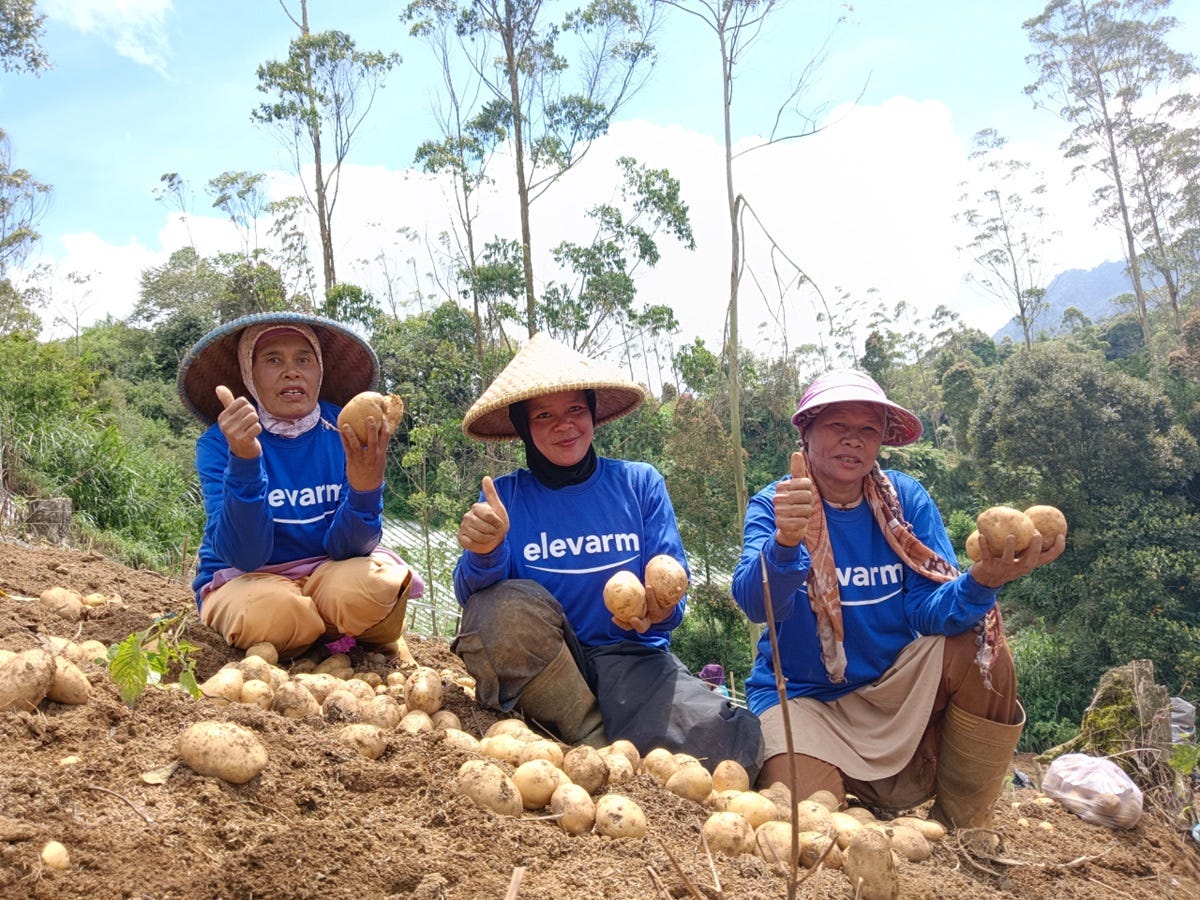
Photo credit: Heaptlak, Elevarm
Founded in 2022, Elevarm has a suite of products for farmers in horticulture, including the Elevarm app, a farming productivity app with financing, land monitoring and agri-knowledge features, and PasarAgri, a digital marketplace for farmers and wholesalers that sources produce from farming community centers. Elevarm works with more than 15,000 farmers across West Java, Central Java, and Yogyakarta. In May last year, as reported by ArisTechia, the agritech raised a USD 2.6M seed round.
13/03/25
Kenyan fintech Avenews to provide $19.3M financing to agri sector
Kenya’s fintech Avenews has announced a commitment of KES 2.5 billion (USD 19.3 million) to finance agri SMEs including distributors, processors, millers, agrodealers, and agrovet but also cooperatives and farmer groups. Avenews has several products including Agri-Credit Line, which provides recurring capital to help businesses grow, and Agri-Supplier Financing, which allows businesses to convert unpaid invoices into working capital. In addition, it has Agri-Buyer Financing, a solution enabling timely payments to suppliers while managing cash flow.
According to a 2020 study by non-profit agri finance institution Aceli Africa the region faces an annual agricultural finance gap of USD 180 billion, with USD 65 billion needed to support agri-SMEs. In Kenya, agriculture contributes 34% of GDP but only receives 3.5% of private sector credit, according to the Central Bank of Kenya (CBK). Established in 2017, Avenews addresses the financing gap faced by agri-SMEs by offering products designed to enhance cash flow and support business growth. The company’s name signifies “new avenues to finance agri-SMEs”.
17/03/25
Kifiya to digitise farmer profiles and boost digital financial services in Ethiopia
Ethiopian fintech Kifiya has partnered with IFC to increase access to digital financial services for smallholder farmers in the country. Kifiya will be the lead implementer in the IFC-funded USD 900.000 Ethiopia Digitizing SHF. The fintech will digitally map and profile one million farmers. It will also provide the necessary training for agents that help delivering financial services to farmers, supporting payments, deposits and the provision of loans in remote, rural areas. The initiative is supported by the Bill & Melinda Gates Foundation and aligns with the Ethiopian government's Digital Agriculture Roadmap (2025-2032).
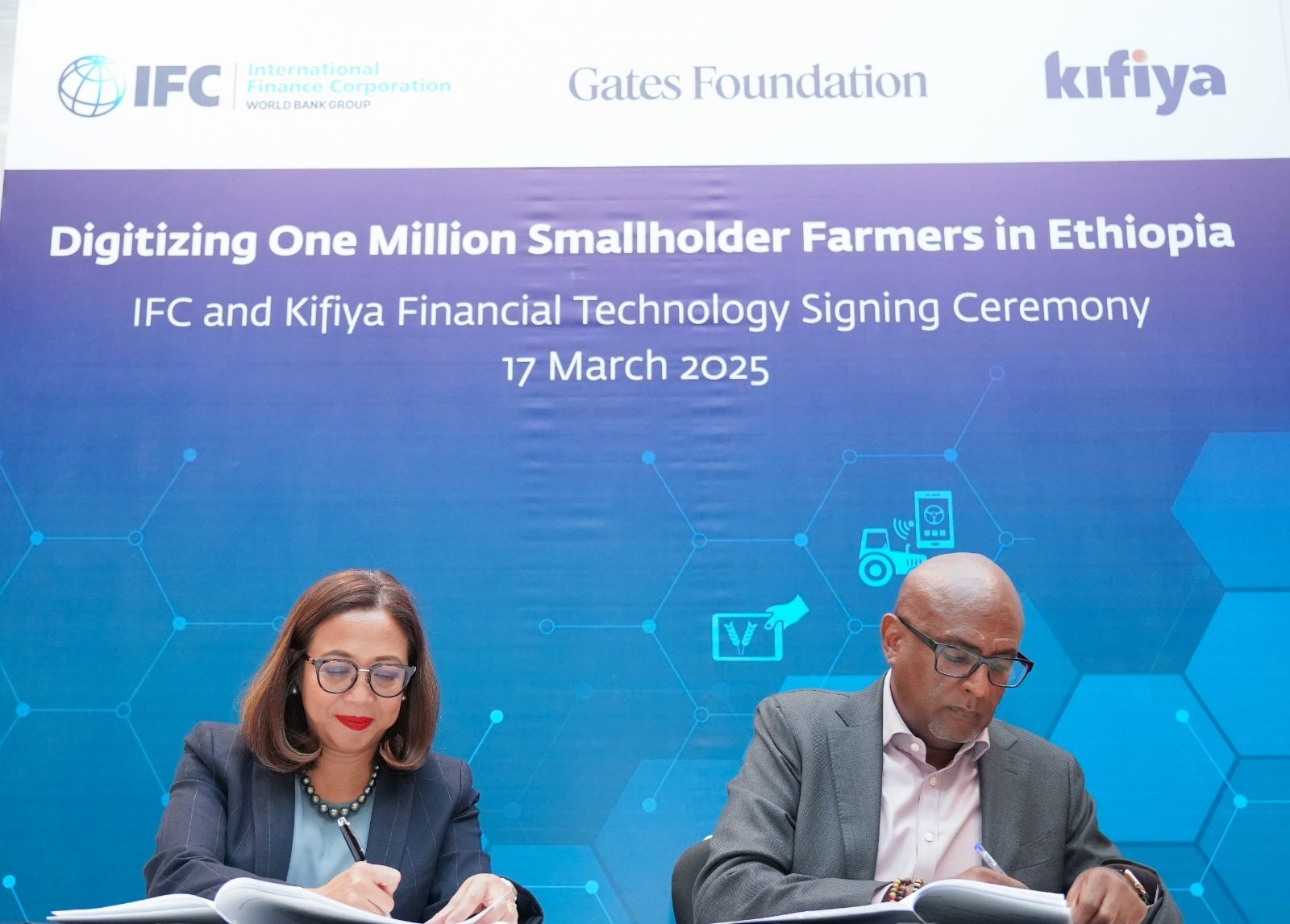
Photo credit: Kifiya
The first phase of the roadmap, which was launched in February, focuses on strengthening the enabling environment while developing the highest impact use cases. Enabling environment initiatives include establishing Digital Public Infrastructure (DPIs) such as a data stack with APIs and farmer profiles and unique IDs. Kifiya will play a key role in adding to a digital national platform quality, up-to-date data on individual farmer land holdings, production, and yield, which will be used to extend financial access to farmers.
18/03/25
Philippines’ agritech Mayani expands infrastructure to tackle heatwave challenges
Filipino agritech Mayani, a B2B marketplace connecting farmers with buyers, is expanding pre-cooling facilities in the provinces of Benguet and Batangas to combat heat-induced crop losses. Each site, designed for fresh vegetables, will have a 15-20 MT capacity. To bolster its cold chain infrastructure, Mayani also built two IoT-powered cold rooms (50-MT total) in its headquarter in Mandaluyong, funded by USD 250,000 from Temasek Trust. It plans to invest an additional USD 1 million in additional pre-cooling facilities in the province of Cordillera.
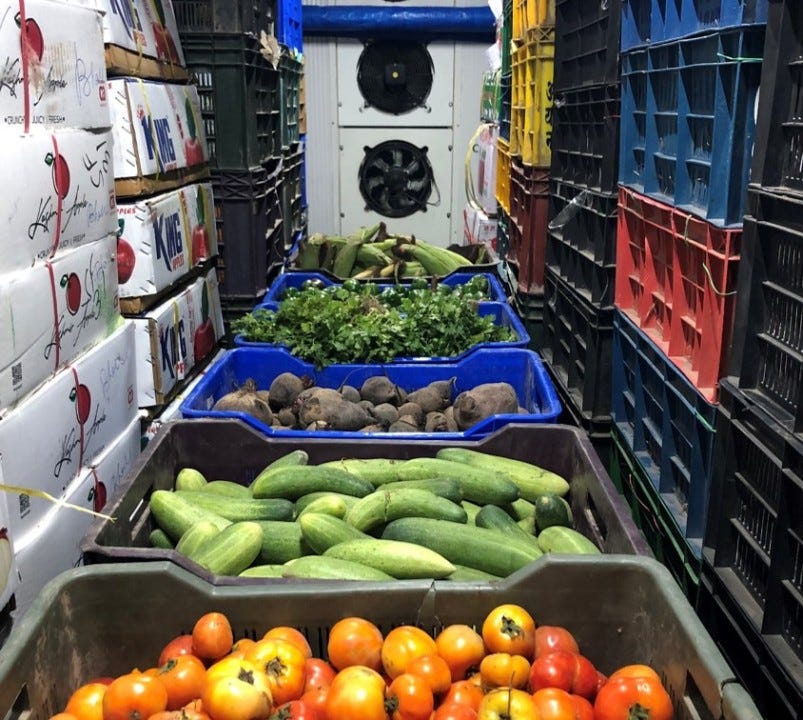
Photo credit: Oorja Development Solutions Limited and BASE Foundation
The urgency for such infrastructure is highlighted by the agricultural losses due to severe droughts. Just in the first four months of 2024, the Philippines agriculture sector saw USD 106 million worth of damage to crops due to extreme weather. Founded in 2019, Mayani connects smallholder producers with B2B buyers such hotels, restaurants, food processors, and supermarkets. It received early backing from Asian Development Bank and the Japan International Cooperation Agency (JICA) and, in April 2023, secured funding from Ninja Ventures, the VC arm of Indian agritech Ninjacart.
19/03/25
Analysis: India's AI ambitions Gain momentum with Gates' visit, agriculture at the forefront
The Bill & Melinda Gates Foundation is set to sign a Memorandum of Understanding (MoU) with the IndiaAI Mission to develop AI-driven solutions targeting agriculture, healthcare, education, and climate resilience. This collaboration aims to leverage AI to improve crop yields, enhance climate resilience, and support sustainable agricultural practices.
During his high-profile visit to India this week, Bill Gates, Chair of the Foundation, met with Prime Minister Narendra Modi to discuss potential collaborations in AI and digital infrastructure. Gates also engaged with Union Agriculture Minister Shivraj Singh Chouhan, further emphasizing the importance of AI in transforming India's agricultural sector.
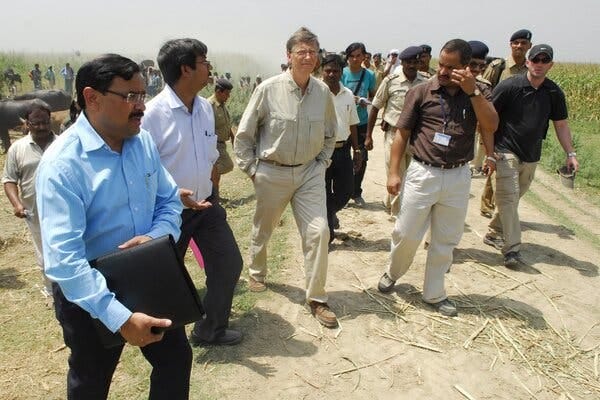
Photo credit: New York Times (Bill Gates visiting a village in Bihar, a northern state in India, in 2010)
The IndiaAI Mission is a government-led initiative launched in March 2024 to establish the country as a global leader in AI research and development. With an initial budget allocation of INR 20 billion (USD 230 million) for the 2025-26 period from the Ministry of Electronics and Information Technology (MEITy), the Mission seeks to develop AI-driven solutions tailored to India's specific needs. One of its primary goals is to create a cost-effective domestic foundational AI model that can address the country’s unique challenges, with a special emphasis on agriculture as a vital sector for society and the economy. The AI model will also prioritise support for Indian languages and local applications.
In line with these efforts, India has launched the Digital Agriculture Mission (DAM), aimed at accelerating the adoption of cutting-edge technologies such as AI, blockchain, remote sensing, robotics, and drones. DAM’s goal is to modernise and digitise agriculture, ultimately enhancing productivity and resilience. By 2026, DAM aims to establish a comprehensive nationwide farmers’ registry, crop sown registry, and georeferenced village maps. These initiatives are designed to support data-driven decision-making, improve resource management, and provide farmers with timely and actionable insights to boost agricultural productivity.