

E-commerce is a powerful example of how digital innovation can create value by opening up entirely new markets, connecting businesses and their products with new customers, and improving efficiency in existing markets.
But demonstrating demand and delivering benefits does not necessarily translate into a financially sustainable business. This is particularly true for fresh-food marketplaces, which, unlike purely digital businesses, must manage the costs and complexities of physical distribution, even when technology makes transactions and coordination more efficient.
Earlier this month, Morocco’s Yola Fresh, a seemingly successful fresh-food e-commerce business, shut down. Its closure raises a familiar question: why do digital marketplaces connecting food producers with retailers struggle to become financially sustainable, even when they attract customers and significant investment?
Founded in 2023, Yola Fresh developed a digital solution connecting fruit and vegetable producers with retailers, aiming to improve market access, reduce intermediaries and minimise food waste. The company raised a USD 7 million pre-Series A round in 2024 but had to shut down after failing to secure additional financing.
Yola Fresh had demonstrated commercial demand. In 2024, it reported serving more than 1,000 retailers in Morocco, distributing around 1,200 tonnes of produce monthly and achieving high customer retention. As for impact, the European Bank for Reconstruction and Development (EBRD), which supported the company through its Star Venture programme, reported a reduction in food losses from 40% to 6% in the supply chain.
Yet these achievements were not sufficient to secure the company’s future.
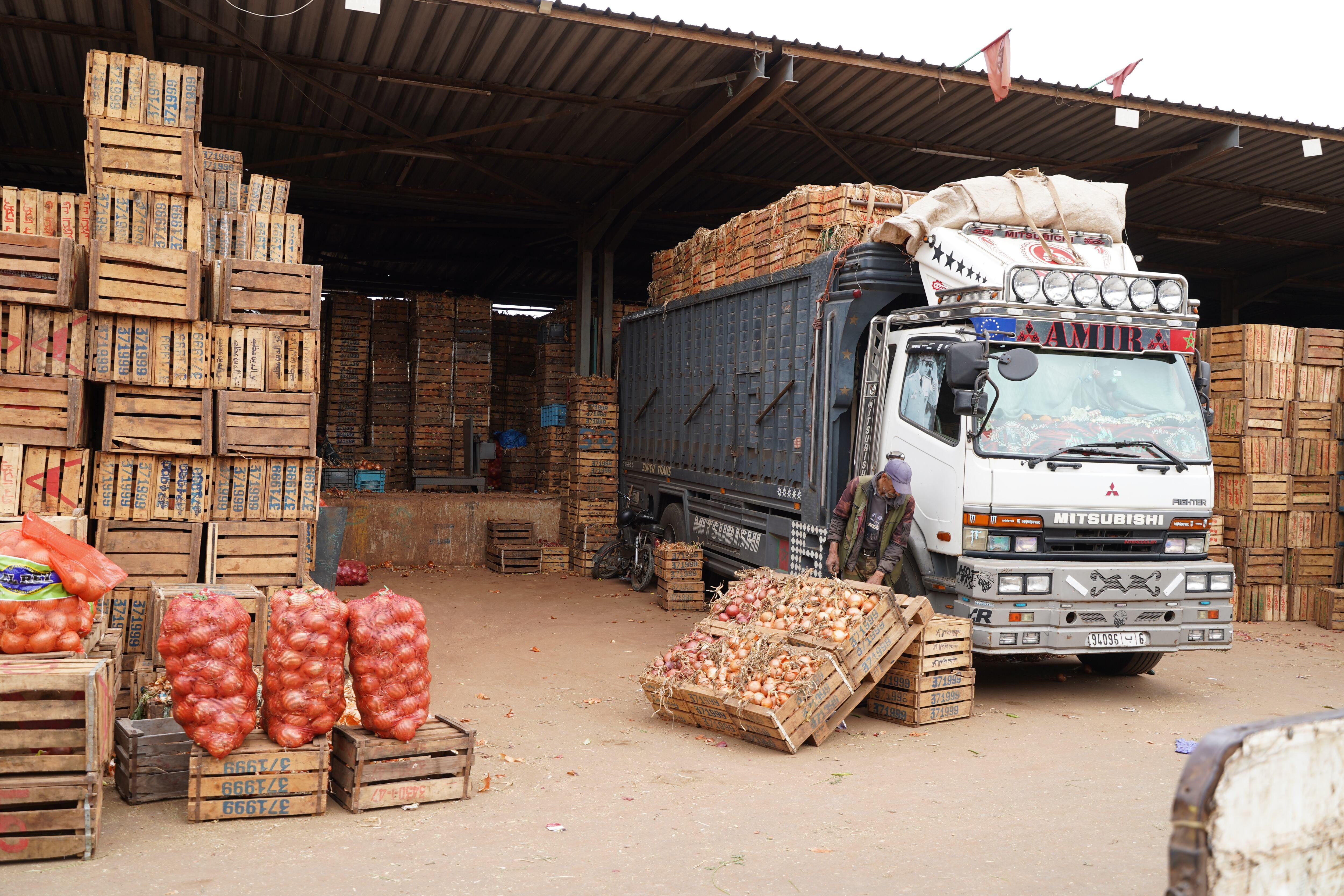
A fresh-produce wholesale market in Morocco. Photo credit: Amaloumed / Wikimedia Commons.
Yola Fresh is not an isolated case. A well-known story is that of Kenya’s Twiga Foods. The company attracted a huge USD 160 million in investment, but faced mounting financial difficulties, eventually entering administration in August 2026.
Other promising companies operating in fresh-food distribution have also ceased opetrations, from Indonesia’s Tumbasin to India’s Greenikk.
Yet investors remain interested in this model, and for good reasons. As an example, Kenya’s Farm to Feed, which connects smallholder farmers with institutional buyers of surplus and imperfect produce, recently secured EUR 150,000 from Proparco, following a USD 1.5 million seed round in 2025.
Digital technology can help connect farmers with markets, but technology alone is not enough to make food systems tick. Successful businesses also need to address the “offline” part, building and managing the missing pieces of the value chain. And this is where things become complicated, because doing so comes at a cost.
But, ultimately, are fresh-food marketplaces going to work? Are they going to be scalable and financially sustainable? If we look at what has happened so far, we can point to four lessons.
1. An asset-light model does not necessarily mean low operating costs
From the start, Yola Fresh operated without owning warehouses or trucks (or holding inventory), opting instead for partnerships. Avoiding these fixed investments was a strength of its business model. But removing the investment in physical assets did not eliminate the costs of transporting, handling and coordinating deliveries.
Twiga Foods followed a different trajectory. After investing heavily in logistics and distribution infrastructure, the company began shifting towards a more asset-light model, acquiring stakes in regional distributors and reducing its reliance on its own facilities. But this shift came in 2025, it was just too late to revert the financial downfall.
Both cases illustrate the same fundamental challenge: agricultural distribution remains a physical business, even when transactions are managed digitally. Fresh produce is particularly demanding because of its perishability, fluctuating prices, fragmented supply and often thin margins. Whether companies own their logistics infrastructure or rely on partners, these costs still need to be covered.
The question is not simply how much infrastructure a company owns, but whether the margin earned on each transaction is sufficient to cover the costs of fulfilling it. Growing transaction volumes can increase rather than reduce financial pressures if these costs remain too high.
2. Creating value and growing revenues do not equal profitability
Yola Fresh achieving substantial reduction in food losses shows the value of better supply-chain coordination. Reducing waste can increase the amount of produce reaching buyers, improve returns for farmers and reduce costs across the distribution chain. But creating value is not the same as capturing it.
A startup, or indeed any business bringing an innovation to market, can deliver significant benefits to its customers without necessarily becoming financially sustainable. To achieve that, it must generate sufficient revenue to cover the costs of delivering those benefits. But this depends on how much customers are willing to pay, how the benefits are shared between producers, intermediaries and retailers, and the costs involved in achieving greater efficiency.
The same challenge applies to commercial growth: reaching more customers and increasing revenues does not necessarily mean driving profitability. In India, Otipy sourced fresh produce directly from farmers and delivered it to consumers through a network of community resellers. At its peak, it worked with 20,000 farmers and served over one million customers through more than 20,000 community retailers. Yet Otipy ceased operations in 2025 despite reporting 43% revenue growth the previous year and raising USD 44 million.
In the end, high procurement and customer acquisition costs were key factors in Otipy’s financial difficulties. In this case, rapid commercial growth coexisted with huge pressure on margins, and ultimately the maths just didn’t work.
3. Growing demand can increase working-capital pressures
Even when individual transactions generate positive margins, businesses can face cash shortages if they must pay producers and suppliers before receiving payments from customers. The reports on Yola Fresh suggest this was one of the challenges facing the company, alongside difficulties securing the additional financing needed to continue operating.
Twiga offers a well-documented example. In 2023, more than 100 suppliers demanded cash payments following delays in settling outstanding bills. The company was able to secure USD 35 million in convertible financing, partly to address its supplier debts. India’s Greenikk had also faced problems recovering payments from business customers before shutting down operations in 2024.
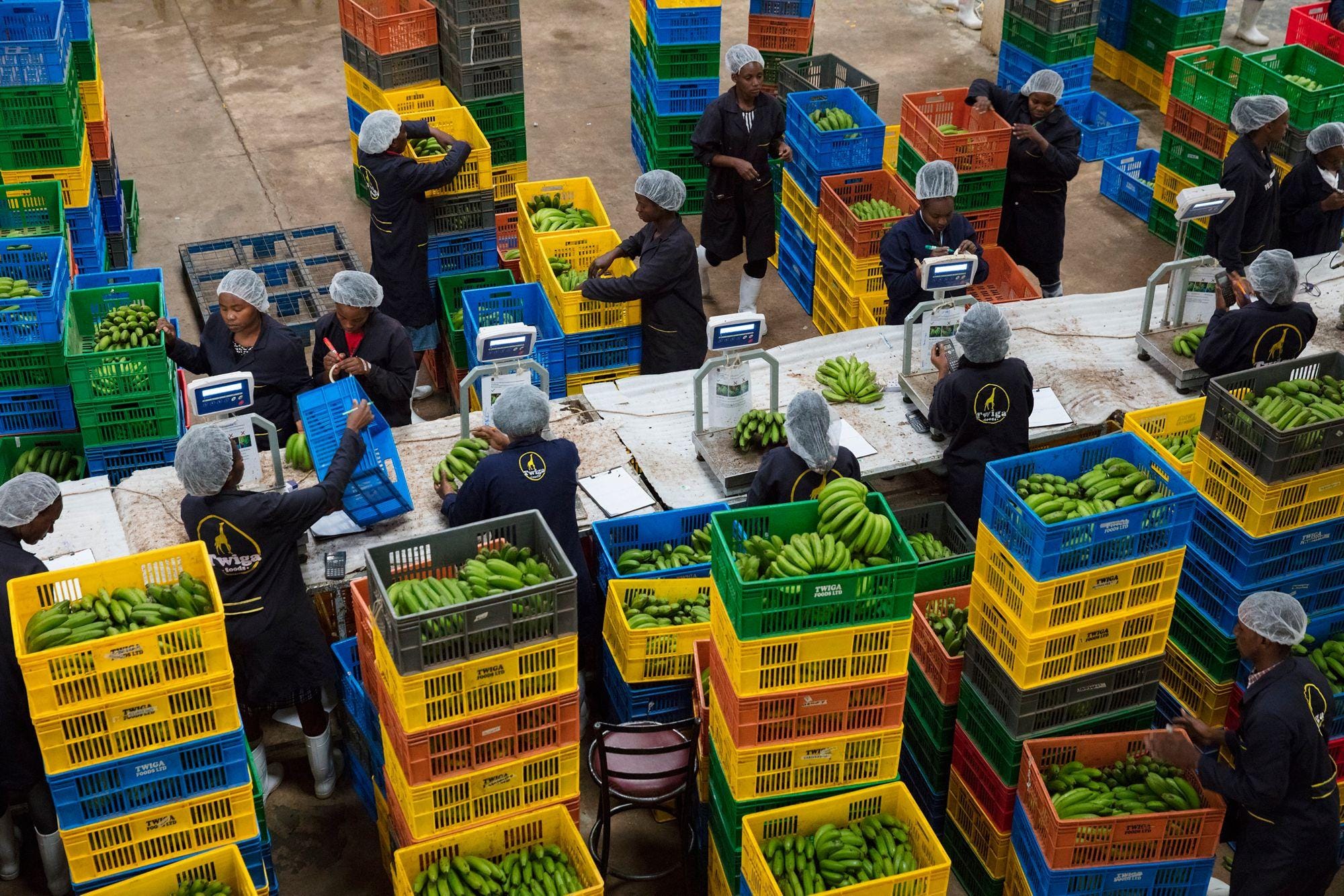
Twiga Foods' warehouse operations. Photo credit: IFC, World Bank Group.
As transaction volumes increase, so can the amount of financing needed to bridge this gap. Sustaining growth requires reliable access to working capital, even when the underlying business is improving.
This distinction matters when trying to understand the failure of well-funded agritechs. A company may struggle because its operating model is unprofitable, because it cannot finance its expansion, or because of a combination of both.
4. The wider market ecosystem matters
The wider ecosystem always matters, but it matters even more for digital fresh-food distribution platforms because their business models depend on a range of services and infrastructure beyond the digital platform itself.
If we look at India, food e-commerce giant Ninjacart offers a range of digital services for agricultural traders (the middlemen between farmers and retailers), combining market linkages and price information with payment and financing solutions. Rather than simply replacing intermediaries, this approach seeks to integrate them into a broader digital trading ecosystem. But this is possible partly because India is a large market with extensive trading networks, established digital payments and a growing range of financial services for businesses.
Yet even in a large and mature digital market like India, Ninjacart has had to rethink its business model and prioritise margins over growth. In FY2024–25, its operating revenue declined by 19% as the company exited lower-margin activities, while still recording a net loss. In July 2026, Ninjacart announced that it had reached EBITDA profitability, following efforts to improve margins and supply-chain efficiency.
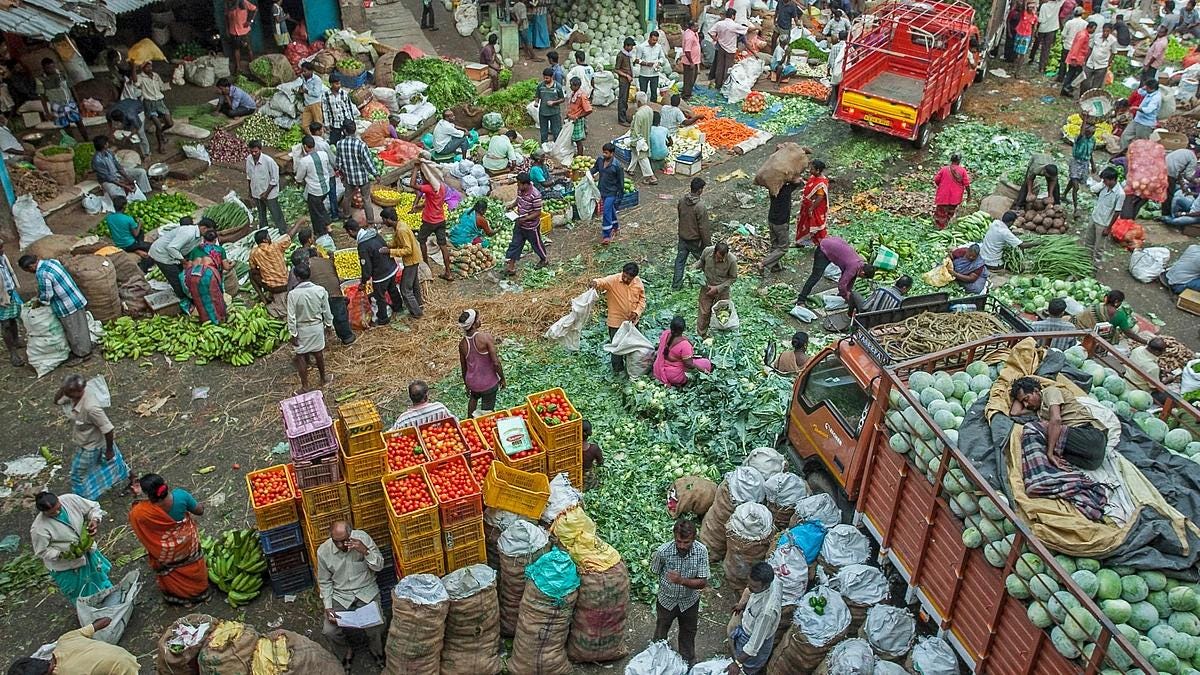
An overhead view of a wholesale market in India. Photo credit: Fortune India, Getty Images.
In regions where supporting ecosystems are less developed, foodtech and agritech startups with similar business models must address more gaps themselves, from logistics and supplier coordination to financing and customer acquisition. This can increase operating costs and make it harder to develop an offering that delivers sufficient value to everyone involved, from farmers to intermediaries, retailers and consumers.
This doesn’t mean these platforms cannot work in less developed markets. But it does mean that partnerships with established distributors, logistics providers, producer organisations and financial institutions become even more critical.
Rethinking how we assess success
The challenges discussed here are particularly acute for fresh-food e-commerce platforms, but they are relevant to many other digitally enabled businesses that need to build or rely on infrastructure and operations in the physical world.
This calls for a closer look at the fundamentals underneath the top-line numbers: the margins generated by each transaction, the financing required to support growth, how much of the value created a company can capture, and whether its model fits the infrastructure and commercial relationships already present in the market.
The experiences of Yola Fresh, Twiga Foods and the many other companies innovating across fresh-food value chains, from farm to fork, are contributing to a growing body of practical lessons. I think there is now enough experience and evidence to start developing more systematic frameworks that can help investors and entrepreneurs better assess opportunities and track progress.
Ultimately, scaling digital fresh-food distribution platforms is not “just” about reaching more farmers and retailers. It is about finding ways to manage the costs and complexities of physical distribution while capturing enough of the value created to build a financially sustainable business.